What to ask during an aesthetics consultation?
An aesthetics consultation is your chance to gather information, clarify expectations, and decide whether a clinic and its practitioner are the right fit for you. Walking in prepared with the right questions helps you make an informed choice. Below are the key areas to cover, from credentials to aftercare, so you leave the consultation feeling confident in your decision.
Practitioner credentials and experience
Start by asking about the person who will perform your treatment. You want to know their qualifications, how long they have been practicing, and how many times they have carried out the specific procedure you are considering. A practitioner who is open about their training and experience is more likely to be thorough and honest about what they can achieve.
Ask whether they are registered with a recognised professional body, such as the General Medical Council, the General Dental Council, or the Nursing and Midwifery Council, depending on their background. For non-medical practitioners, check if they hold an accredited qualification in aesthetic medicine. You may also want to ask how often they update their skills through courses or conferences. A practitioner who invests in ongoing training is likely to be up to date with safer techniques and newer products.
Treatment details and realistic outcomes
Every treatment has its own mechanism, recovery time, and range of results. Ask the practitioner to explain exactly what the procedure involves, how long it takes, and what you should feel during and after. A good practitioner will describe the sensations, such as mild stinging or pressure, without downplaying any discomfort.
It is also important to discuss realistic outcomes. Ask to see before-and-after photos of previous clients with a similar skin type and concern to yours. Notice whether the results look natural and whether the photos are consistent. If a practitioner promises dramatic changes or guarantees a specific look, that is a red flag. Honest practitioners talk about what is achievable and what is not.
You should also ask about the product or device being used. For injectable treatments, inquire about the brand, whether it is licensed in the UK, and how it is stored. For energy-based devices, ask about the type of energy, the settings, and whether the practitioner has experience with that specific machine.
Medical history and suitability
A responsible practitioner will ask about your medical history, current medications, allergies, and any previous treatments. This is not just a formality; it is a safety check. If the practitioner does not ask about these things, consider it a warning sign.
You can also ask whether your skin type or medical history makes you a good candidate for the treatment. Some conditions, such as pregnancy, active infections, or certain autoimmune disorders, may rule out certain procedures. A good practitioner will be honest if a treatment is not suitable for you and may suggest alternatives.
Risks, side effects, and downtime
Every treatment carries some risk. Ask the practitioner to list the common side effects, the rarer but more serious complications, and how often they see them. For example, bruising and swelling are common after dermal fillers, but vascular occlusion is a rare emergency. The practitioner should explain how they would handle a complication if it occurred.
Also ask about downtime. Will you need to take time off work? Can you exercise afterwards? When can you wear makeup or apply skincare? A clear timeline helps you plan your schedule and reduces surprises.
When looking at UK aesthetics clinics, it is worth checking their policy on follow-up care. Some clinics include a free follow-up appointment to check your results and address any concerns. Others charge for it. Knowing this upfront avoids unexpected costs.
Aftercare and what to expect post-treatment
Aftercare is a big part of the overall experience. Ask what you should do in the hours and days after the treatment. Should you avoid certain products, activities, or positions? How long until you see the full effect, and when should you book your next session if maintenance is needed?
A good practitioner will give you written aftercare instructions and a contact number in case you have questions. They should also tell you which signs to watch for that might indicate a problem, such as unusual pain, discolouration, or swelling that gets worse instead of better.

Clinic location, hygiene, and atmosphere
You may also want to ask about the clinic itself. Where is it located? Is it easy to reach by public transport or car? Does it have parking? The convenience of the location matters, especially if you need multiple sessions.
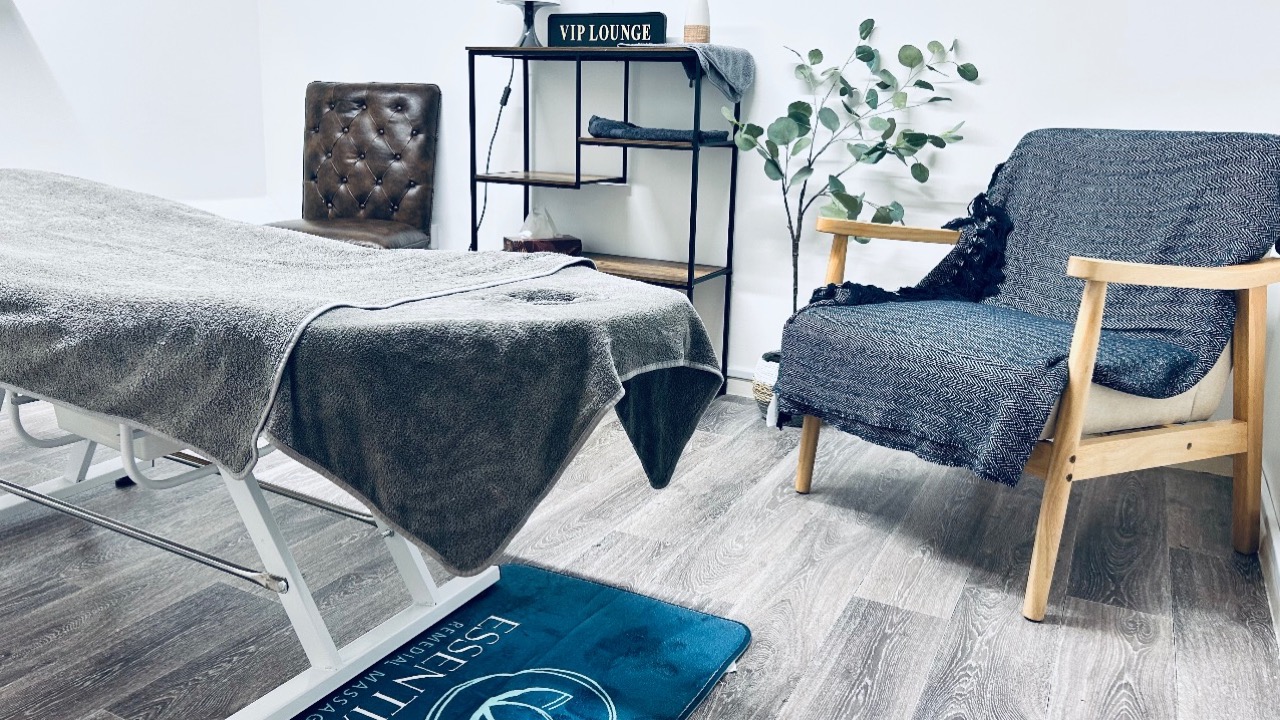
Pay attention to the cleanliness of the treatment room and the overall atmosphere during your visit. Are the surfaces clean? Does the practitioner wear gloves and use sterile equipment? Do they explain the hygiene steps they take? A clean, professional environment is a basic standard you should expect.
If you are researching local providers for skin treatments, you might also ask how long the clinic has been operating and whether it has any accreditations from organisations such as the Care Quality Commission or the Joint Council for Cosmetic Practitioners. These accreditations indicate that the clinic meets certain standards of care.
Client reviews and testimonials
Ask whether you can read reviews or speak to a past client. Many clinics share testimonials on their website or social media, but it is worth asking for more recent feedback. Look for patterns in reviews: multiple comments about the practitioner being gentle, or several mentions of good results, are positive signs. Repeated complaints about poor communication or disappointing results should raise concerns.
Keep in mind that a few negative reviews are normal; no clinic pleases everyone. But the way the clinic responds to criticism tells you a lot. A professional response that addresses the issue without being defensive is a good sign.
Cost, payment, and cancellation policy
While this article does not discuss specific prices, you should still ask about the overall cost of the treatment, what it includes, and whether there are any additional fees. Some clinics charge a consultation fee that is deducted from the treatment price if you proceed. Others charge a separate fee for the consultation itself. Ask about this before you book.
Also ask about the cancellation policy. What happens if you need to reschedule? Is there a deposit, and is it refundable? Understanding the financial side of the process helps you avoid misunderstandings later.
When you are comparing local providers for skin treatments, these questions give you a structured way to evaluate each clinic. You do not need to ask every single one in every consultation, but covering the most important areas will help you feel more in control of your decision.
Putting it all together
A consultation is a two-way conversation. You are there to learn, but the practitioner is also there to assess whether you are a suitable candidate. Use the session to build rapport and trust. If something feels off, trust your instinct and consider a second opinion.
The more prepared you are, the more you will get out of the experience. By asking clear, direct questions about credentials, treatment details, risks, aftercare, and clinic standards, you are taking an active role in your own safety and satisfaction. That is the whole point of a consultation: to give you the information you need to make a confident choice.